
Chandler Directory Collections by Year
The strongest verified online shelf is the Arizona Memory Project's Places We Lived collection. It holds nearly 400 Arizona directories across a statewide span from 1881 through 1989. Chandler can sit inside a Mesa, Tempe, Phoenix metropolitan, or East Valley title, so a catalog query limited to the word Chandler will miss useful volumes. The two confirmed Chandler anchors are the combined 1955 edition and a standalone 1958 directory. Census and vital indexes are companion collections, not substitutes for those printed books.
| Collection | Years | Where Held | Access |
|---|---|---|---|
| Official Annual Mesa-Tempe-Chandler Directory | 1955 | Arizona Memory Project | Free 79 MB PDF |
| Chandler City Directory | 1958 | Arizona Memory Project | Digitized PDF |
| Arizona city directories | 1881-1989 statewide | Arizona Memory Project | Browse and search online |
| Historic census schedules | 1850-1950 public | NARA and genealogy libraries | Online and research-room access |
| Historical birth and death records | Births 75+; deaths 50+ | Arizona genealogy index | Public after statutory thresholds |
No official source located a complete physical reverse-directory run at Chandler Public Library, and no verified Chandler-specific Sanborn year list was found. Treat those as catalog or reference-desk questions. Ask by title, publisher, and year, and record each failed search rather than filling a gap with a guessed edition.
Finding Chandler in Metro Directories
The 1955 volume is the Official Annual Mesa-Tempe-Chandler Directory, created by National Home Directory Company. Its catalog data are unusually rich: call number 917.91DC M578 1955, OCLC 21175878, a public-domain rights statement, and place tags for all three cities and Maricopa County. Search both the catalog record and the scan. A name may be found in the alphabetical pages even when Chandler is only the third place on the cover.
Later metropolitan directories may be filed under Phoenix or East Valley wording. Use title variants, the publisher name, and a broad date range. Chandler Museum and Chandler Public Library can add local photographs, oral histories, newspapers, and yearbooks. The Arizona Historical Society Library and Archives and Arizona State Archives are the next stops for maps, manuscripts, church or cemetery material, and organizational records. Call ahead with the exact title and year because shelving language may not match a modern city search.
Note: A Chandler-only catalog search can miss a combined metropolitan volume even when the scan contains a full Chandler residents section.
Chandler Directory Digitized in 2024
FamilySearch International digitized the 1955 Chandler-containing volume on March 14, 2024. That date is more than catalog trivia. It explains why an older search may have failed even though the large PDF is now remotely available. The scan is a recent digital doorway into a mid-century source, while the entries themselves remain snapshots from the publication year.
| 1912 | Chandler's modern townsite forms around the planned plaza and San Marcos Hotel. |
|---|---|
| 1955 | The combined Mesa-Tempe-Chandler directory supplies a firm postwar snapshot. |
| 1958 | A standalone Chandler volume records another point in the city's rapid growth. |
| 2024 | FamilySearch digitizes the 1955 volume for the Arizona Memory Project. |
The 1958 Chandler City Directory supplies the next firm point. Its introductory text presents a city nearing 9,000 people and ties Chandler's story to Dr. A. J. Chandler's 1912 townsite and the San Marcos Hotel. It highlights cotton, cattle, citrus, conventions, and charm. Those themes help interpret occupation titles, business ads, and street growth without turning promotional copy into proof about any one person.
A Chandler directory entry can be absent for many reasons. The resident may have moved, declined a listing, lived on a rural route, boarded with someone else, or appeared under initials or a changed surname. Women, boarders, and mobile workers are often undercounted. A missing entry is therefore a search clue, not a finding that the person was absent from Chandler.
Decode a Chandler Directory Entry
Read each Chandler city directory entry as printed evidence. Copy the surname, given name or initials, spouse marker, occupation, employer, address, telephone, and page or column. Also save any cross-reference for a changed name. Marks such as “h,” “r,” and “wid” may mean home, resides or rooms, and widow, but only the key in that volume can confirm the meaning. Ownership marks also differ by publisher.
| Printed name | Surname, given name, initials, and spelling variants |
|---|---|
| Family clue | Spouse in parentheses, widow notation, or name cross-reference |
| Work clue | Occupation, title, employer, or business affiliation |
| Place clue | Residential address, telephone, and any home or room mark |
| Citation clue | Volume title, year, publisher, page, and column |
Advertisements and classified headings can place an employer or shop within Chandler. They can also explain an abbreviated firm name in a resident entry. Do not turn a business address into a home address. Keep the directory's date beside every fact, since the next edition may show a move, a new spouse notation, or a different trade.
- Criss-cross directory
- A section arranged by street and house number instead of by a person's surname.
- Householder index
- A listing centered on the person associated with a home, which may omit other people there.
- Abbreviation key
- The publisher's legend for marks and short forms. Read it before decoding status, work, or residence.
Chandler Streets Inside the Directory
An alphabetical entry starts with a person. A street or criss-cross section starts with a place. Browse the street heading, locate the house number, and note the occupant or business printed there. Nearby house numbers reveal the block's historical order and can help separate two people with the same surname. Then return to the alphabetical section for a spouse, trade, employer, or telephone clue.
Printed streets need care. Chandler grew from its early townsite into a much larger East Valley city, and annexation or a postal-city mismatch can break a simple address search. Match the old house number against nearby listings, plats, deeds, and city address-block maps before treating it as the same parcel. For modern address-keyed ownership research, use the Chandler street directory workflow rather than treating a historical occupant list as a current roll.
Work Clues in Chandler Directories
Occupation and employer fields often distinguish people better than initials alone. Early and mid-century Chandler entries may reflect cotton, cattle, citrus, hotel, rail, agricultural service, or downtown retail work. The 1958 volume's civic description supports that local context. Still, the trade printed beside a name belongs only to that dated entry.
Search the classified and advertisement pages after finding a firm. A shop address, owner name, or phone can link the short employer label to a real Chandler place. Chamber and business directories may add public business contacts. School yearbooks can help with a former classmate, while newspapers and obituaries may connect relatives and later places. Current student records are private, and an old business listing does not establish a current residence.
Compound surnames, changed marital names, initials, and transliteration variants are especially important in Chandler's long Mexican American, agricultural, military, retirement, technology, and international communities. Search every documented spelling. Never merge people on surname and city alone.
Pair Chandler Directories with Census
A directory fills space between federal census years. The newest identifiable public federal schedule is 1950, so it pairs well with Chandler's verified 1955 and 1958 volumes. Census households can add ages, relationships, birthplaces, and nearby households. Directory entries can then show later addresses and work. Neither source should silently overwrite the other.
The Census Bureau records resources explain the line between published data products and historical records.
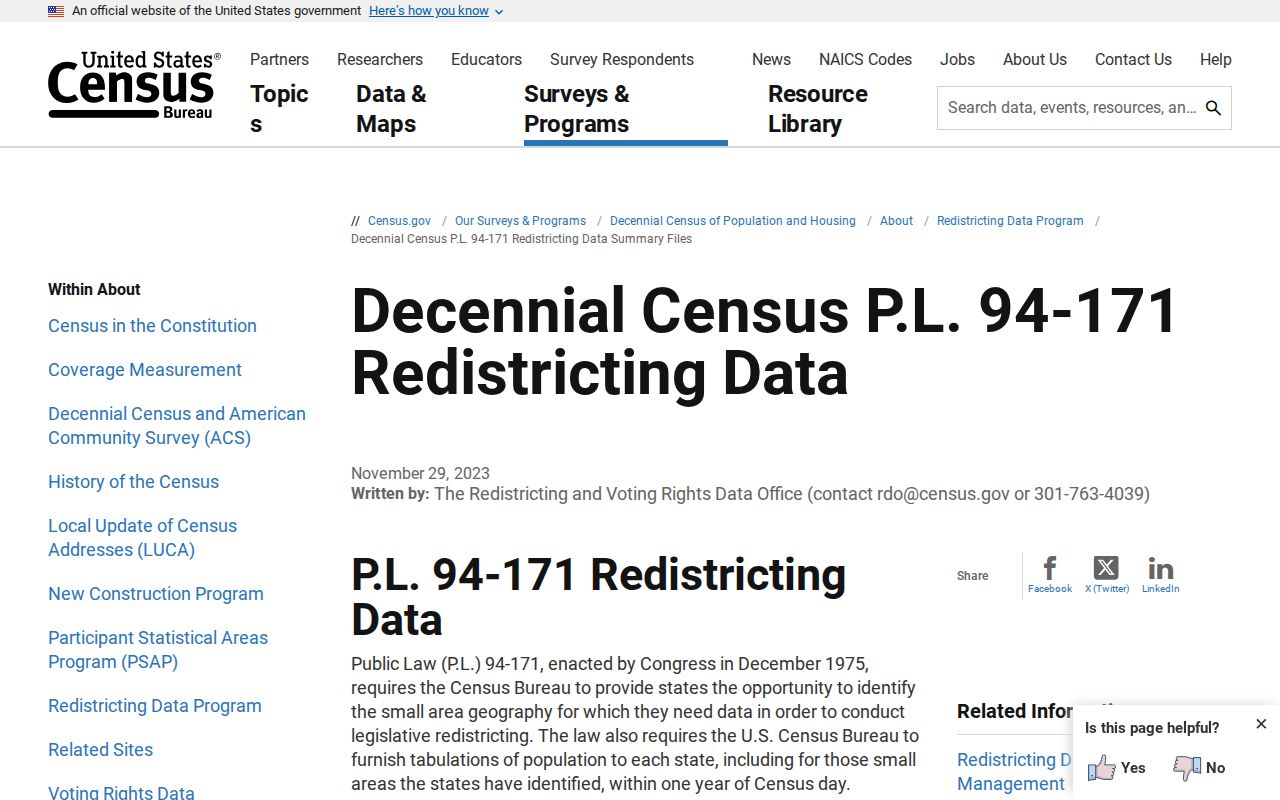
The captured federal page is a route into census context, while named schedules are researched through archives and genealogy services after the release period.
For hands-on work, the National Archives census guide describes schedule access and research methods.
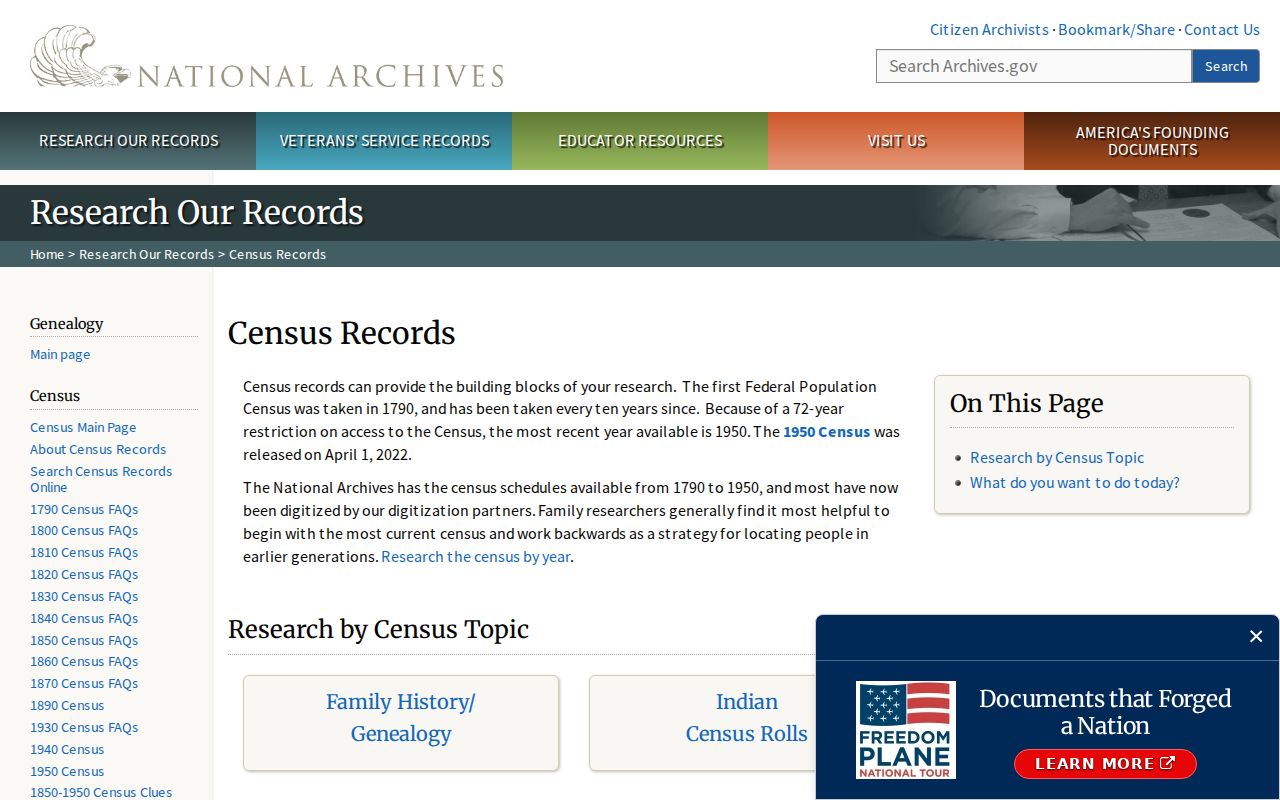
The NARA view reinforces the right sequence: cite the Chandler directory first, then use the census household and neighbors to test identity.
Trace Chandler Families Across Editions
Start from one known fact and preserve the exact print form. A good Chandler city directory trail separates what the volume states from what later sources suggest. It also records gaps. An annual move, a missing spouse marker, or a changed job may guide the next search, but none proves a life event by itself.
- Find the name in a verified 1955 or 1958 alphabetical section. Save spelling, spouse, work, address, telephone, page, and volume.
- Search nearby years and combined metropolitan titles. Note the first and last verified appearance without assuming every missing year means a move.
- Switch to the street section. Compare house numbers and nearby occupants, then consult the abbreviation key.
- Pair the entry with the 1950 census by household, street, neighbors, and enumeration geography, not by name alone.
- Bridge the next gap with newspapers, obituaries, yearbooks, probate, or deeds. Ask the proper custodian for an official record when needed.
A deed names title parties, while a city directory tends to name an occupant. Those roles can differ. The same is true of a parcel mailing address and the home itself. Keep each source in its lane and look for two facts that agree before joining records to one Chandler person.
Continue Chandler Directory Research Offline
When the PDF or catalog stops, ask Chandler Museum or Chandler Public Library for a directory, reverse directory, telephone book, yearbook, obituary index, and newspaper within a narrow date span. Staff can search a title filed under Mesa, Tempe, Phoenix metropolitan area, East Valley, or the publisher. Give the exact year and explain the spelling variants already tried.
State repositories add depth. Arizona Historical Society and the State Archives may hold maps, photos, manuscripts, church or cemetery sources, and county material. FamilySearch catalog records can identify digitized or microfilmed items. No authoritative source in the research confirmed every physical Chandler reverse-directory year or a complete Chandler Sanborn run, so those remain open repository questions.
Note: Request a narrow title and year range; an archive can answer that far more reliably than a broad request for everything on a surname.